

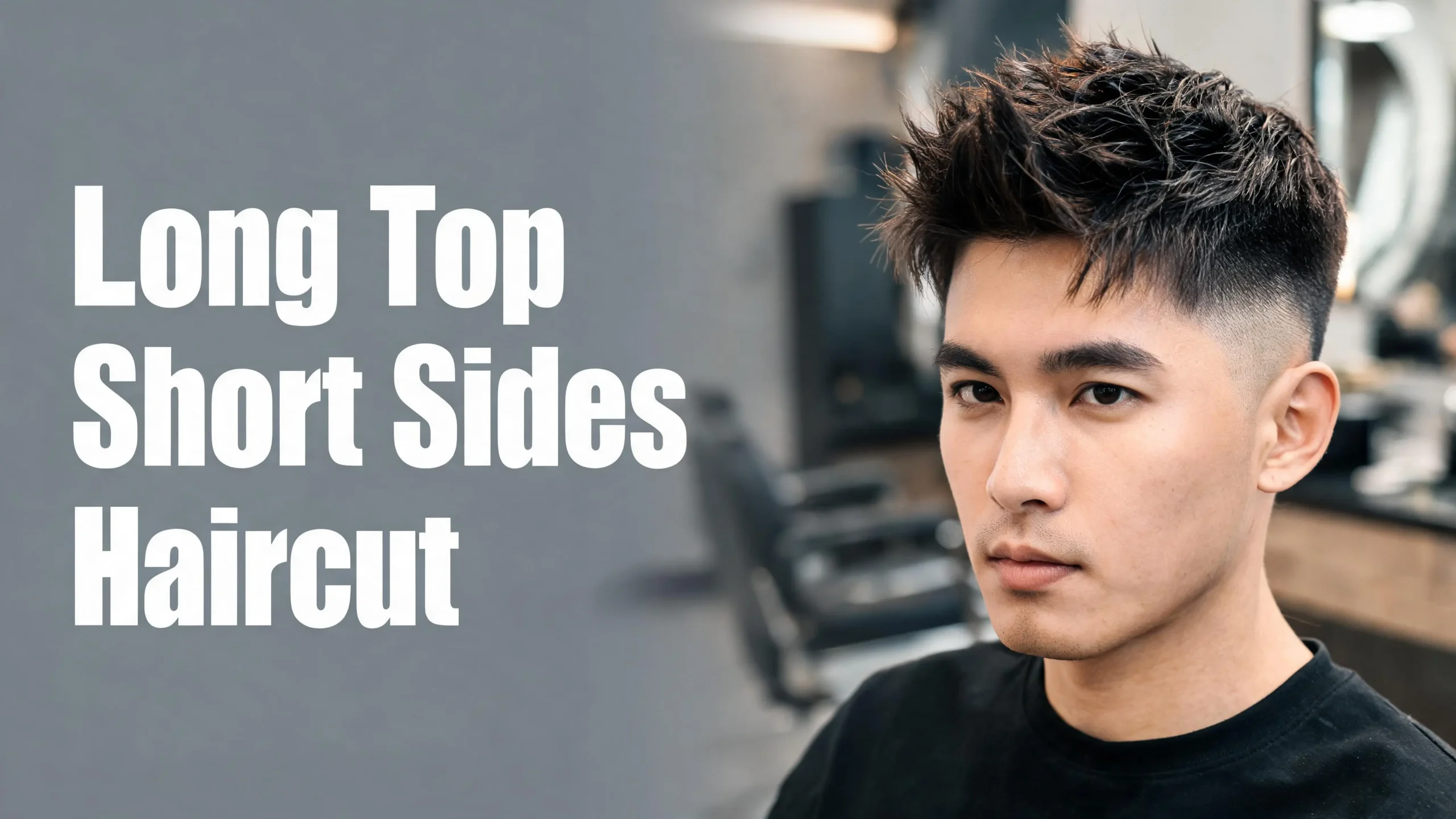
Looking for a haircut that looks sharp without limiting your styling options? A long top short sides haircut could be exactly what you need. This versatile men’s hairstyle keeps the top longer while trimming the sides and back to create a clean, balanced appearance. You can wear it with a textured quiff, slick back, classic side part, modern fade, or natural curls. The best part is that you can customize the cut to suit your hair type, face shape, and daily routine. Whether you prefer a professional appearance or something more relaxed, understanding the different styles will help you choose a haircut that looks good and remains manageable between barber visits.
What Is a Long Top Short Sides Haircut?
A long top short sides haircut features longer hair across the top of the head and shorter hair around the sides and back. The transition can be gradual, as with a taper or fade, or more noticeable, as with an undercut.
The longer top creates opportunities for volume, texture, and movement. Meanwhile, the shorter sides keep the overall shape neat and emphasize the styling on top.
Common variations include:
- Low taper: A subtle, natural-looking finish around the ears and neckline.
- Mid fade: A balanced transition that creates noticeable contrast.
- High fade: A bolder appearance with shorter sides extending higher.
- Undercut: A distinct separation between the top and sides.
- Textured top: A relaxed finish that emphasizes natural movement.
- Slick back: A polished style brushed away from the forehead.
The right choice depends on your preferences and hair characteristics. For example, a low taper may suit someone who wants an understated office haircut, while a high fade with a quiff creates a more dramatic appearance.
15 Long Top Short Sides Haircut Styles to Try
These popular variations offer different combinations of length, texture, and contrast.
1. Textured Quiff With a Fade
The textured quiff lifts the front hair upward and slightly backward. A fade on the sides keeps the shape clean while drawing attention to the volume above.
This style works particularly well with straight or wavy hair. Use a blow dryer and a small amount of matte clay to create separation without making the hair look greasy.
2. Slick Back With Short Sides
A slick back gives the haircut a polished finish. The longer top is brushed toward the back, while tapered or faded sides create a sharper outline.
Choose this style if you prefer a structured appearance for work, formal occasions, or evenings out. Medium-length hair generally provides more flexibility when styling it backward.
3. Long Top With a Low Taper
A low taper gradually shortens the hair around the sideburns and neckline. It preserves more fullness on the sides than many high fades, creating a softer overall appearance.
This is a practical option if you want a clean haircut without excessive contrast. It also grows out naturally, making it suitable for people who prefer fewer maintenance appointments.
4. Mid Fade With a Textured Top
A mid fade creates a clear transition around the middle of the sides. Combine it with a textured top for a contemporary hairstyle that works in casual and professional settings.
Ask your barber to leave enough length for movement. A lightweight styling paste can define the texture while keeping the finish natural.
5. Long Top Undercut
An undercut separates the longer top from the much shorter sides. Unlike a traditional fade, the transition can remain deliberately disconnected.
Wear the top loose, slicked back, or parted to one side. This option is especially effective if you want a bold hairstyle with obvious contrast.
6. Curly Top With a Fade
Natural curls add volume and character to this haircut. Keeping the sides short allows the curl pattern to stand out without making the entire hairstyle look bulky.
Use a lightweight curl cream and avoid cutting the top too short if you want your curls to remain visible.
7. Classic Side Part
A side part creates a timeless, organized appearance. The longer top is combed to one side, while a taper or low fade keeps the outline neat.
It is an excellent choice for men who want a haircut that transitions easily between work, social events, and everyday activities.
8. Modern Pompadour
The pompadour emphasizes height at the front and sweeps the hair backward. Short sides make the volume more noticeable.
This style usually requires a blow dryer and a product that provides reliable hold. It is best for someone willing to spend extra time styling their hair each morning.
9. Messy Textured Top
For a relaxed appearance, leave the top longer and style it with your fingers instead of creating a perfectly defined shape.
A matte paste or clay can add separation without excessive shine. This variation suits straight and wavy hair and generally requires less precision than a pompadour.
10. Middle Part With Tapered Sides
A middle part allows longer hair to fall naturally on both sides of the forehead. Pairing it with a subtle taper prevents the haircut from looking overly heavy around the ears.
This style works best when the top has enough length to separate naturally. It is a good option if you prefer movement rather than a tightly controlled finish.
11. French Crop With Short Sides
The French crop combines a textured top with a short fringe across the forehead. Although its top is usually shorter than that of a classic long-top style, it offers a similar contrast between the upper section and sides.
It is particularly useful if you want a modern haircut that does not require extensive daily styling.
12. Wavy Quiff
Natural waves give a quiff extra movement and make it look less rigid. Short sides help maintain the shape while the front remains lifted.
Use a lightweight styling cream and direct the hair upward with your fingers or a brush. Avoid applying too much product, which can flatten the waves.
13. High Fade With a Long Top
A high fade creates strong contrast by taking the shorter section farther up the sides. The longer top becomes the main visual feature.
Pair it with a quiff, textured crop, or slick back. Choose this option if you like a sharper appearance and do not mind regular touch-ups.
14. Long Fringe With Short Sides
This variation allows the front section to fall forward rather than being brushed backward. The sides remain short, creating a contrast between the fringe and the rest of the haircut.
It can be a good choice for men who prefer a softer, less structured finish. Ask your barber to shape the fringe according to your hair’s natural direction.
15. Natural Flow With a Short Taper
If you prefer longer hair, a natural-flow style keeps the top loose and allows it to move backward or toward the sides. A short taper around the ears and neckline adds structure.
This approach works well with medium-length, straight, or wavy hair. It requires patience while growing the top, but the result can feel more relaxed than a sharply faded haircut.
Which Fade Should You Choose?
The fade determines how much contrast your haircut creates. Choosing the right one is often more important than choosing a specific styling product.
| Fade type | Appearance | Best suited for |
|---|---|---|
| Low fade | Subtle and natural | Side parts and textured tops |
| Mid fade | Balanced and modern | Quiffs, crops, and waves |
| High fade | Bold and noticeable | Pompadours and slick backs |
| Skin fade | Extremely short at the bottom | High-contrast styles |
| Drop fade | Curves around the back of the head | Curly tops and customized cuts |
If you are unsure, start with a low or mid fade. These options let you experiment with contrast without immediately committing to an extremely short finish.
Remember that a fade and a taper are not identical. A fade usually creates a more extensive transition along the sides, while a taper concentrates the shortening around areas such as the sideburns and neckline.
How to Choose the Right Style for Your Hair Type
Your natural texture affects how a haircut looks and how much effort it requires.
Straight hair: Consider a slick back, side part, pompadour, or textured quiff. These styles make it easier to create a defined shape.
Wavy hair: Try a messy top, wavy quiff, or middle part. Lightweight products help preserve natural movement.
Curly hair: Choose a curly top with a fade or taper. Keep enough length for your curls to form properly, and ask your barber to consider shrinkage when cutting.
Thick hair: A fade can reduce bulk around the sides, while texture through the top helps make styling more manageable.
Fine hair: A textured top can create the appearance of movement and fullness. Avoid heavy products that weigh the hair down.
Face shape can also influence your decision, but it should not dictate it completely. If you have a round face and want more visual length, a little height on top may help. If your face is longer, a moderate top length can create a more balanced appearance.
How to Ask Your Barber for This Haircut
The phrase “long top short sides” describes a general shape rather than one precise cut. Your barber needs more detail to achieve the result you want.
Before your appointment, decide how short you want the sides, how much length to preserve on top, and whether you prefer a fade, taper, or undercut.
You can use this example:
“I want about four inches on top with a textured finish. Keep the sides in a mid fade, blend the transition naturally, and leave enough length at the front for a quiff.”
Adjust those measurements to suit your preferred style. Four inches is a starting point, not a universal requirement.
Bringing two or three reference photos can also help. Choose pictures that show the front, side, and back so your barber can understand the shape from different angles.
How to Style and Maintain Your Haircut
A simple routine can make a noticeable difference without requiring a shelf full of products.
- Start with damp hair. Gently towel-dry it after washing.
- Create your shape. Use a blow dryer to direct the hair upward, backward, or to the side.
- Apply a suitable product. Try matte clay for texture, pomade for shine, or curl cream for curls.
- Finish with your fingers or a comb. Fingers create a relaxed finish; a comb produces a more defined shape.
- Keep the sides tidy. Book a trim when the fade or taper starts losing its shape.
Your maintenance schedule depends on the haircut and how quickly your hair grows. A sharp skin fade may need attention every two or three weeks, while a softer taper can often go longer between appointments.
If low maintenance is your priority, choose a textured top with a low taper. If you enjoy styling and want stronger contrast, consider a fade with a quiff or pompadour.
Common Mistakes to Avoid
Even a well-chosen haircut can disappoint if the details do not match your needs.
Choosing a fade that is too high: High fades create noticeable contrast. If you prefer a conservative appearance, start lower.
Cutting the top too short: Styles such as pompadours and slick backs need enough length to hold their shape. Explain your styling goals before your barber starts cutting.
Ignoring natural texture: Curly hair behaves differently from straight hair. Choose a cut that works with your natural pattern rather than requiring constant correction.
Using too much styling product: Heavy application can make the hair look greasy or flat. Start with a small amount and add more only when needed.
Forgetting maintenance: Fades can lose their definition as the hair grows. Choose a style that fits the time and budget you can realistically dedicate to barber visits.
Frequently Asked Questions
Is a long top short sides haircut good for everyday wear?
Yes. A low taper with a textured top can be easy to manage, while a slick back or pompadour offers a more polished appearance. Choose the variation that matches your daily routine.
How long should the top be?
Many styles work with approximately two to six inches on top, depending on the desired finish. Quiffs and slick backs generally need more length than short textured crops.
Is a fade better than a taper?
Neither is universally better. A fade creates more visible contrast, while a taper usually offers a softer finish around the sideburns and neckline.
Can men with curly hair get this haircut?
Absolutely. Short sides can control bulk while the longer top showcases natural curls. Ask your barber to account for shrinkage when deciding how much length to remove.
How often should I get a trim?
A sharp fade may need refreshing every two to three weeks. A low taper may remain presentable for four to six weeks, depending on your hair growth and preferred finish.
Which style requires the least maintenance?
A textured top with a low taper is a practical choice for many men. It offers a clean outline without requiring the precise daily styling associated with a pompadour.
What should I show my barber?
Bring a clear reference photo and explain your preferred side length, top length, and styling direction. Mention how much time you want to spend styling your hair each morning.
Conclusion
A long top short sides haircut gives you plenty of ways to express your personal style without sacrificing a clean appearance. You can choose a low taper for a natural finish, a mid fade for balanced contrast, or an undercut for a bolder look. Your hair texture, preferred length, and daily routine should guide the final decision.
Before your next barber appointment, save a reference photo, decide how short you want the sides, and explain how you normally style the top. Start with a manageable variation if you are unsure, then adjust the length or fade during future visits. The best haircut is one that suits your features, feels comfortable, and fits your everyday life.