

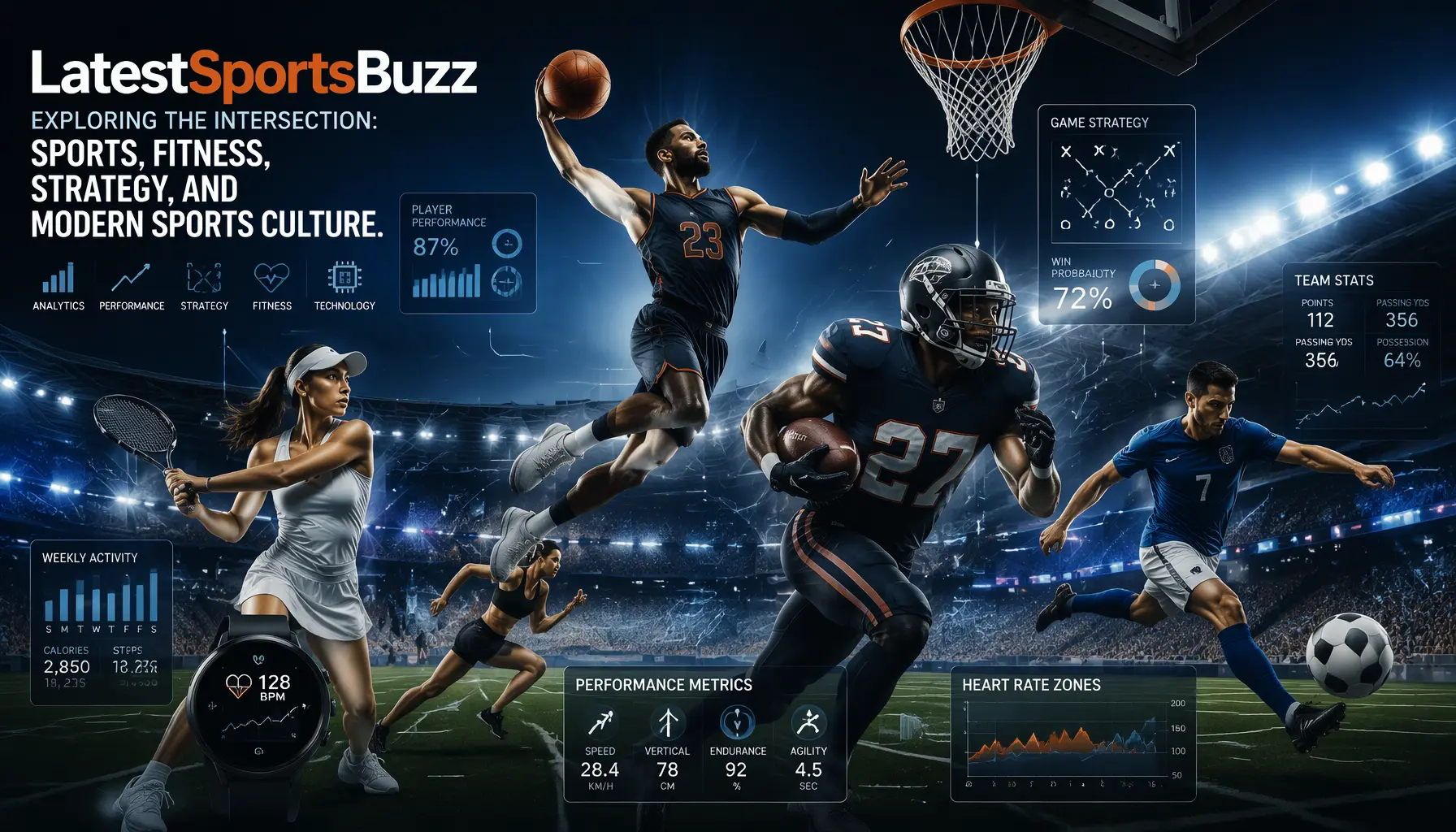
Sports have become much more than games played on a field or court. They bring together fitness, strategy, technology, entertainment, and community. LatestSportsBuzz Exploring the Intersection highlights how these different elements connect and shape the way people experience sports today. From professional athletes using advanced training methods to fans following international competitions online, the sports world continues to evolve. Understanding these connections helps readers appreciate not only the results of a match but also the preparation, decisions, and innovations behind every performance. Whether you enjoy football, basketball, tennis, cricket, or emerging sports, exploring these different sides of sports offers a more complete picture of modern athletic culture.
Understanding the Intersection of Sports and Modern Culture
Sports have a strong connection with everyday culture. They influence entertainment, fashion, conversations, business, and even social movements. Major sporting events bring people together regardless of their background or location.
In the United States, the Super Bowl, NBA Finals, World Series, and major college football games are examples of how sports become cultural events. People watch for the competition, but they also enjoy halftime performances, team traditions, celebrity appearances, and shared experiences.
This connection works in both directions. Popular culture influences how athletes dress, communicate, and build their public image. At the same time, successful athletes influence fashion, music, advertising, and social conversations.
Why Sports Matter Beyond Competition
Sports provide entertainment, but their influence reaches much further. They can:
-
Build connections between communities and generations.
-
Encourage physical activity and healthier habits.
-
Create opportunities for education and professional development.
-
Support local businesses through games and tournaments.
-
Give athletes a platform to discuss important social issues.
-
Introduce audiences to different countries and cultures.
These connections explain why modern sports coverage needs to discuss more than scores and winning records.
The Evolution of Sports Journalism
Sports journalism has changed significantly over the years. Traditional newspapers and television broadcasts once played the biggest role in delivering sports news. Today, digital publications, podcasts, websites, and social media provide additional ways to follow competitions.
Readers can access match previews, player interviews, injury updates, transfer discussions, tactical explanations, and post-game analysis from different sources.
Platforms such as LatestSportsBuzz reflect this broader approach by covering international sports, fitness and training, emerging sports, and general sports news.
Social Media’s Influence on Sports Reporting
Social media has made sports conversations faster and more accessible. Fans can follow teams, athletes, coaches, and journalists through platforms such as Instagram, YouTube, TikTok, and X.
A single highlight can reach millions of viewers within minutes. However, speed also creates challenges. Unconfirmed transfer rumors, misleading clips, and incorrect injury reports can spread before reliable information becomes available.
Readers should check the original source, publication date, and official team announcements before accepting major claims as facts.
Fan Interaction and Digital Communities
Sports fans are no longer limited to watching games and reading newspaper reports. They participate in discussions, share reactions, create videos, and debate decisions.
Online communities also help supporters connect with people who follow the same teams. This creates a stronger relationship between sporting organizations and their audiences.
The Role of Analytics in Modern Sports
Data analytics has become an important part of professional sports. Coaches, players, analysts, and management teams use performance information to understand strengths, identify weaknesses, and make better decisions.
Instead of relying only on observation, teams can study measurable details such as player movement, passing accuracy, shooting efficiency, distance covered, and recovery patterns.
For example, a basketball coach might review shooting percentages from different areas of the court. A soccer analyst might examine passing networks and defensive positioning to understand why a team struggles against high-pressure opponents.
How Performance Statistics Improve Decisions
Sports analytics can support several important activities:
-
Player evaluation: Comparing individual performances using relevant statistics.
-
Game planning: Identifying opponents’ weaknesses and common playing patterns.
-
Injury prevention: Recognizing workload changes that may require closer attention.
-
Team development: Measuring progress throughout a season.
-
Recruitment: Evaluating potential players using performance records.
Statistics are useful, but they should not replace professional judgment. A player’s contribution cannot always be explained through numbers alone. Leadership, teamwork, communication, and decision-making also matter.
Technology Behind Sports Analytics
Modern sports organizations use different technologies to collect and understand performance data. GPS tracking devices, video analysis software, wearable sensors, and computer-based performance systems can provide useful information.
Video analysis is particularly valuable because coaches can review specific moments from training sessions and competitions. They can identify positioning mistakes, study opponents, and demonstrate better techniques to players.
The most effective approach combines reliable data with practical coaching experience.
How Technology Is Transforming the Fan Experience
Technology has changed how people watch, follow, and discuss sports. Fans can now access sporting events through television, streaming services, mobile applications, and digital platforms.
This flexibility is especially important for American audiences who follow international competitions across different time zones.
High-definition broadcasts, instant replays, multiple camera angles, and real-time statistics help viewers understand important moments. Some platforms also offer interactive features that allow fans to follow specific players or review important match events.
Live Streaming and On-Demand Sports Content
Streaming has given viewers more control over how they watch sports. Instead of depending entirely on traditional television schedules, fans can use supported services to watch selected events on connected devices.
On-demand highlights and match replays are also helpful for people who cannot watch a complete game.
However, streaming access depends on broadcasting rights, subscription plans, and geographic restrictions. Fans should check official providers before purchasing a service.
Artificial Intelligence in Sports Coverage
Artificial intelligence is becoming another useful tool in sports media. It can help organize statistics, summarize match events, analyze large amounts of information, and recommend relevant content.
For example, automated systems can help publishers prepare basic statistical summaries after a game. Editors can then review the information and add context that makes the report more useful.
AI can improve efficiency, but human verification remains essential. Incorrect statistics or missing context can create misleading stories if content is published without proper review.
Emerging Sports and New Opportunities
Traditional sports such as football, basketball, baseball, and tennis receive significant media attention. However, emerging sports are creating new opportunities for athletes, organizers, and fans.
Activities such as pickleball, esports, padel, and newer competitive formats are attracting different audiences. Some are growing through community participation, while others benefit from digital entertainment and professional competitions.
Why Emerging Sports Are Becoming Popular
Several factors contribute to the growing interest in new sporting activities.
-
Accessibility: Some emerging sports require less expensive equipment or smaller playing areas.
-
Community participation: Local clubs and recreational leagues make it easier for beginners to participate.
-
Digital exposure: Social media and streaming help unfamiliar sports reach wider audiences.
-
New audiences: Shorter formats and alternative competitions attract people looking for different experiences.
-
Professional opportunities: Growing interest can create new careers for athletes, coaches, and event organizers.
Pickleball is a good example in the United States. Its relatively simple rules and social playing environment have helped it attract people from different age groups.
The Growing Connection Between Esports and Traditional Sports
Esports has created another important connection between technology and competition. Professional gaming tournaments attract players, sponsors, viewers, and organized teams.
Although esports differs from physical sports, both involve preparation, strategy, teamwork, and competitive pressure. Professional esports players practice regularly, study opponents, and develop communication skills.
Traditional sports organizations have also explored esports through gaming competitions, digital partnerships, and online fan communities. This relationship shows how the definition of sports entertainment continues to expand.
Sports Marketing and the Business Behind Competition
Sports are also a major part of the entertainment and business industries. Professional leagues, clubs, athletes, broadcasters, and sponsors work together to create commercial opportunities.
In the United States, professional leagues such as the NFL, NBA, MLB, and NHL have established strong relationships with brands and media companies. These partnerships help finance competitions while giving businesses access to passionate audiences.
How Sponsorships Support Sports
Sponsorships provide financial and practical support to sporting organizations. A company might sponsor a team, tournament, stadium, athlete, or specific event.
These partnerships can provide several benefits:
-
Funding for tournaments and sporting programs.
-
Better equipment and training facilities.
-
Greater visibility for athletes and teams.
-
Marketing opportunities for participating brands.
-
Additional resources for community sports initiatives.
However, sponsorships work best when the partnership feels relevant to the audience. Fans are more likely to respond positively when brands support competitions and communities they genuinely care about.
Athletes as Personal Brands
Modern athletes often develop public identities beyond their sporting achievements. Their social media accounts, interviews, business projects, and community activities help shape how audiences recognize them.
An athlete might work with sportswear companies, promote fitness products, support charitable causes, or launch a personal business.
This creates opportunities outside professional competition. It also means athletes need to think carefully about their public communication and the companies they choose to represent.
Fitness, Training, and Athlete Performance
Fitness is one of the most important connections within modern sports. Athletes need physical preparation, mental focus, recovery, and consistent practice to perform well.
Training requirements vary depending on the sport. A marathon runner needs endurance, while a weightlifter focuses more heavily on strength and technique. Basketball players require a combination of speed, coordination, jumping ability, and stamina.
The Importance of Balanced Athletic Training
A well-planned training routine usually includes several elements:
-
Strength training: Develops muscles and supports physical performance.
-
Cardiovascular exercise: Improves heart and lung fitness.
-
Flexibility and mobility: Supports comfortable movement and physical control.
-
Sport-specific practice: Develops the skills needed for competition.
-
Recovery: Gives the body time to adapt and repair after demanding sessions.
Beginners should increase training intensity gradually rather than copying professional athletes. A suitable routine depends on age, fitness level, experience, and individual goals.
Nutrition and Recovery
Food, hydration, and sleep play important roles in athletic performance. Athletes need adequate energy to support training and daily activities.
A balanced eating pattern can include fruits, vegetables, whole grains, protein sources, and healthy fats. Fluid requirements vary according to activity level, weather, and individual needs.
Recovery is equally important. Rest days, sufficient sleep, and appropriate training adjustments help athletes manage physical demands. People experiencing persistent pain or unusual symptoms should seek advice from a qualified healthcare professional.
Sports and Social Responsibility
Sports can create positive changes beyond stadiums and professional competitions. Community programs, school athletics, and inclusive sporting opportunities help people develop confidence and social connections.
Many American communities use sports to encourage youth participation, provide structured activities, and promote teamwork.
Promoting Diversity and Inclusion
Inclusive sports programs aim to make participation possible for people with different backgrounds and abilities. Women’s sports, adaptive athletics, and youth development programs all contribute to a more accessible sporting environment.
Women’s professional competitions have also gained greater visibility through broadcasting, sponsorships, and growing fan interest.
Accessibility is not only about allowing people to participate. It also involves providing suitable facilities, equipment, coaching, and opportunities for athletes to progress.
The Environmental Impact of Major Sporting Events
Large sporting events can require significant travel, energy, water, and other resources. Stadium construction and event operations may also create waste.
Sports organizations can reduce their environmental impact by:
-
Improving energy efficiency in stadiums.
-
Providing convenient public transportation options.
-
Reducing single-use plastics.
-
Supporting recycling and waste-management programs.
-
Choosing more sustainable event materials.
-
Encouraging responsible water use.
These efforts can make sporting events more responsible while raising awareness among spectators and communities.
How to Follow Sports News More Effectively
With so much sports information available online, finding useful and accurate coverage can sometimes be difficult. A thoughtful reading approach helps fans stay informed without becoming overwhelmed.
Here are some practical tips:
-
Choose reliable publications: Use established sports outlets and official league websites for important updates.
-
Follow your favorite sports: Organize your reading around the competitions and teams you enjoy.
-
Check publication dates: Old reports may contain outdated information about injuries, transfers, and standings.
-
Compare important claims: Check major announcements against official statements or additional trustworthy sources.
-
Explore different perspectives: Read match analysis, interviews, statistics, and opinion pieces.
-
Avoid unverified rumors: Do not treat social media speculation as confirmed news.
LatestSportsBuzz offers a broader sports-focused reading experience through topics such as international sports, fitness and training, emerging sports, and general sports news. Readers can use these categories to explore different areas of athletic culture.
Latestsportsbuzz+1
What Makes a Sports News Platform Worth Reading?
A useful sports news platform should do more than publish headlines. It should help readers understand what happened, why it matters, and what could happen next.
Several qualities make a sports publication more valuable.
-
Accuracy: Reports should be based on trustworthy information.
-
Clear writing: Readers should understand the story without unnecessary jargon.
-
Useful context: Articles should explain important background details.
-
Topic variety: Coverage should include different sports and relevant developments.
-
Updated information: Time-sensitive reports should be reviewed when circumstances change.
-
Reader experience: A simple layout and mobile-friendly design make content easier to access.
Readers should also look for named authors, transparent editorial practices, and clear corrections when mistakes occur.
A publication does not need to cover every sport in great detail to be useful. However, it should make its coverage clear and avoid presenting speculation as confirmed reporting.
Conclusion
The relationship between sports, technology, fitness, culture, and business continues to shape modern athletic experiences. From professional competitions and performance analytics to emerging sports and digital fan communities, every part contributes to the changing sports industry. LatestSportsBuzz Exploring the Intersection provides an opportunity to understand these connections from a wider perspective. Sports fans can benefit from exploring different topics, following trustworthy news sources, and learning about developments beyond match results. Whether you are an athlete, casual viewer, or dedicated supporter, understanding the bigger picture makes following sports more interesting and meaningful.
Frequently Asked Questions (FAQs)
1. What is LatestSportsBuzz Exploring the Intersection?
LatestSportsBuzz Exploring the Intersection is a sports-related topic that examines the connections between sports, culture, technology, fitness, journalism, and modern entertainment.
2. What type of sports content can readers explore on LatestSportsBuzz?
Readers can explore international sports, emerging competitions, fitness and training, sports news, and different developments within the athletic world.
3. How has technology changed modern sports?
Technology has improved sports through performance tracking, video analysis, live streaming, instant replays, artificial intelligence, and digital fan engagement.
4. Why is sports analytics important?
Sports analytics helps coaches and athletes evaluate performance, identify weaknesses, understand opponents, and make better training and competition decisions.
5. What are some examples of emerging sports?
Pickleball, padel, and esports are examples of activities attracting new audiences and creating additional opportunities for athletes and sports organizations.
6. How can fans find reliable sports news?
Fans should follow established sports publications, official league websites, and verified team accounts. Checking publication dates and comparing important reports also helps prevent misinformation.