

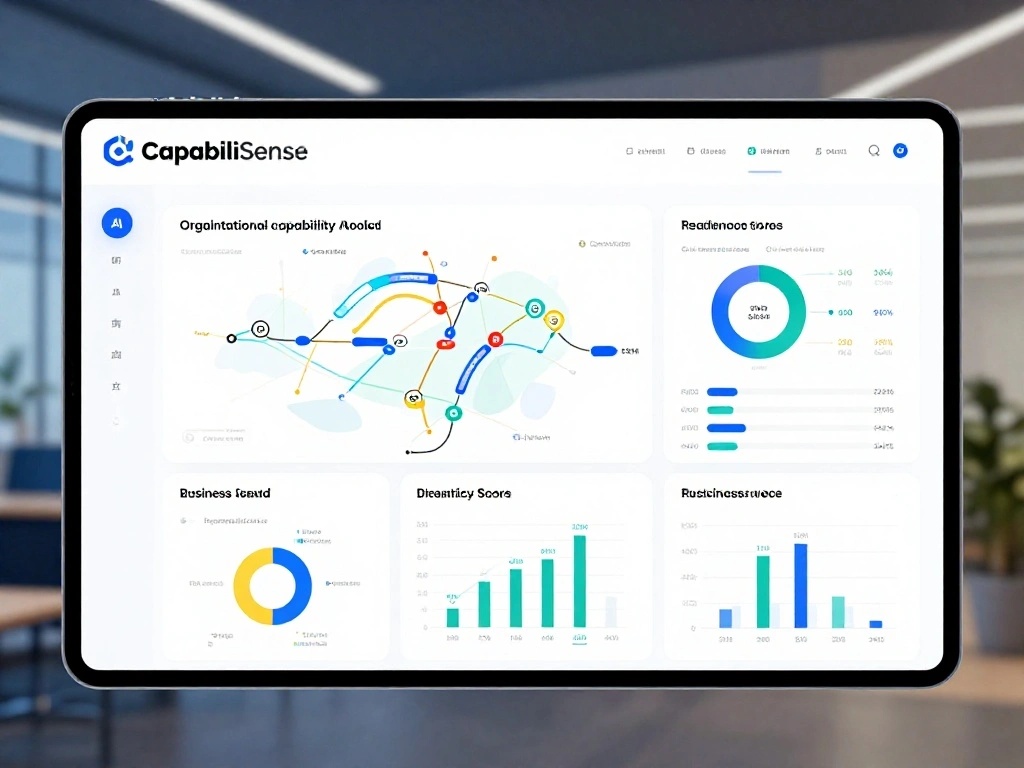
Imagine spending millions on digital transformation only to discover that your organization wasn’t actually ready for the change. Unfortunately, this happens more often than most business leaders realize. The CapabiliSense Platform was developed to solve exactly this problem by helping organizations understand their real capabilities before investing time, money, and resources into major initiatives.
Unlike traditional assessments that depend heavily on interviews, surveys, and assumptions, CapabiliSense uses artificial intelligence to analyze evidence already present inside organizations. The result is a clearer picture of strengths, weaknesses, risks, and opportunities that leaders can act on confidently.
Whether you’re involved in digital transformation, enterprise architecture, workforce planning, or strategic consulting, understanding how capability intelligence works could dramatically improve your decision-making process.
What Is the CapabiliSense Platform?
The CapabiliSense Platform is an AI-powered capability intelligence system designed to assess organizational readiness, operational maturity, and transformation potential using evidence-based analysis. Rather than asking employees what they believe their organization can do, the platform examines actual documentation, processes, workflows, and business outcomes.
The platform typically analyzes:
- Strategic business plans
- Operational processes
- Project documentation
- Performance reports
- Organizational structures
- Workforce capability data
- Enterprise architecture documents
- Governance frameworks
This approach reduces human bias and creates a more accurate assessment of organizational capabilities.
For example, a company planning a cloud migration may believe it has sufficient technical expertise. CapabiliSense can analyze existing evidence and identify hidden capability gaps that might otherwise delay or derail the project.
Why Capability Intelligence Matters More Than Ever
Many organizations fail not because they lack technology, but because they lack visibility into their actual capabilities. Studies of transformation initiatives consistently show that capability gaps remain one of the biggest barriers to successful execution.
Capability intelligence provides several important advantages:
- More objective assessments
- Reduced organizational bias
- Better resource allocation
- Improved strategic alignment
- Earlier risk detection
- Faster transformation planning
Consider a healthcare organization implementing AI diagnostics. Without understanding workforce readiness, regulatory capabilities, and operational maturity, even the best technology investments can fail.
CapabiliSense helps organizations answer critical questions:
- What capabilities already exist?
- Which capabilities are missing?
- Where are the highest risks?
- Which projects have the highest chance of success?
- How prepared is the organization for change?
How the CapabiliSense Platform Works
One reason the CapabiliSense Platform attracts attention is its structured approach to organizational analysis.
Data Collection
The process begins by gathering organizational evidence from multiple sources, including:
- Business documentation
- Strategic plans
- Operational procedures
- Training records
- Performance metrics
- Technology inventories
This comprehensive approach creates a broad understanding of organizational operations.
AI-Powered Analysis
The platform then applies several artificial intelligence techniques:
- Natural Language Processing (NLP)
- Machine Learning algorithms
- Pattern recognition
- Semantic analysis
- Capability mapping models
These technologies identify patterns and relationships that humans often overlook.
Capability Assessment
After processing the data, the system evaluates:
- Current maturity levels
- Existing strengths
- Operational readiness
- Strategic alignment
- Capability gaps
Recommendation Engine
Finally, CapabiliSense generates practical recommendations, such as:
- Workforce development priorities
- Risk mitigation strategies
- Technology investments
- Process improvements
- Transformation roadmaps
Core Features of the CapabiliSense Platform
Several features distinguish CapabiliSense from traditional organizational assessment methods.
AI-Based Capability Mapping
Instead of manually documenting capabilities, the platform automatically identifies them from organizational evidence.
Benefits include:
- Faster assessments
- Higher accuracy
- Reduced consulting costs
- Greater scalability
Evidence-Based Decision Making
Traditional assessments often rely on stakeholder opinions. CapabiliSense focuses on measurable evidence, creating more reliable outcomes.
Capability Maturity Analysis
Organizations receive maturity scores across multiple dimensions:
| Maturity Level | Description |
|---|---|
| Initial | Ad hoc processes |
| Developing | Basic structures exist |
| Defined | Standardized operations |
| Managed | Performance measured |
| Optimized | Continuous improvement |
Risk Detection
The platform identifies several risk categories:
- Strategic risks
- Operational risks
- Resource shortages
- Governance weaknesses
- Transformation barriers
Executive Dashboards
Leadership teams gain access to:
- Capability heatmaps
- Maturity reports
- Gap analysis visualizations
- Strategic alignment dashboards
- Transformation readiness indicators
Real-World Applications of CapabiliSense Platform
One area where the CapabiliSense Platform delivers significant value is enterprise transformation planning.
Digital Transformation
Before launching large initiatives, organizations use CapabiliSense to assess readiness and identify obstacles.
Cloud Migration
Companies moving to cloud environments can evaluate:
- Technical capabilities
- Security readiness
- Governance maturity
- Workforce preparedness
Enterprise Architecture
Enterprise architects use capability intelligence to:
- Align business and technology
- Prioritize investments
- Optimize operational structures
Workforce Planning
Human resources teams leverage the platform to:
- Identify skill shortages
- Design training programs
- Support succession planning
- Improve talent management
Consulting Services
Consultants increasingly use evidence-based capability intelligence to provide more accurate recommendations and measurable outcomes.
Best Practices for Implementing CapabiliSense
Organizations that achieve the best results typically follow several key practices.
Start with Clear Objectives
Define what you want to measure before beginning.
Examples include:
- Transformation readiness
- Operational maturity
- Workforce capability
- Strategic alignment
Use High-Quality Data
Poor data quality produces poor insights. Ensure documentation is:
- Current
- Complete
- Accurate
- Consistent
Involve Stakeholders Early
Successful implementation requires collaboration between:
- Executives
- Operations teams
- HR departments
- Technology leaders
- Business units
Monitor Progress Continuously
Capability intelligence should not be treated as a one-time project. Regular assessments provide greater long-term value.
Frequently Asked Questions
What is the CapabiliSense Platform used for?
The CapabiliSense Platform helps organizations identify capability gaps, assess transformation readiness, improve strategic alignment, and support evidence-based decision-making.
Does CapabiliSense Platform use artificial intelligence?
Yes. The platform uses AI technologies including machine learning, natural language processing, semantic analysis, and capability mapping algorithms.
Who benefits most from CapabiliSense?
Large enterprises, consulting firms, government organizations, healthcare providers, and companies undergoing digital transformation benefit significantly.
How is CapabiliSense different from traditional assessments?
Traditional assessments depend on interviews and surveys. CapabiliSense analyzes actual organizational evidence to produce more objective results.
Can small businesses use the CapabiliSense Platform?
While enterprise organizations gain the greatest benefits, growing businesses can also use capability intelligence to support strategic planning and operational improvement.
Does CapabiliSense support digital transformation projects?
Yes. One of its primary uses is assessing organizational readiness for digital transformation initiatives.
Conclusion
Organizations succeed when they understand their actual capabilities rather than relying on assumptions. The CapabiliSense Platform provides a modern, evidence-based approach to capability intelligence that helps leaders make smarter decisions and reduce transformation risks.
Key takeaways:
- CapabiliSense uses AI-driven capability analysis
- It reduces bias through evidence-based assessment
- It improves transformation success rates
- It identifies capability gaps before they become costly problems
As organizations continue investing in digital transformation, capability intelligence platforms like CapabiliSense will likely become essential tools for strategic planning and operational success. Organizations that understand themselves better ultimately perform better.
Also read: NZBGeek The Complete Guide to One of Usenet’s Most Trusted Indexers
 IQ newswire