

Picture this: you’ve spent hours hunting for a video platform that doesn’t bury your content under a mountain of ads or bury small creators under algorithm favoritism. That’s the gap Zvideo is stepping into. It’s a video-sharing platform built for both short clips and full-length uploads, with live streaming folded into the same space. You won’t need five different apps to post a 15-second clip, a tutorial, and a live Q&A anymore. Zvideo blends the speed of short-form platforms with the depth of long-form hosting, then adds monetization tools on top. If you’re a creator tired of unpredictable reach, or a viewer who wants content matching your interests, this guide covers how Zvideo works and whether it’s worth trying.
What Is Zvideo?
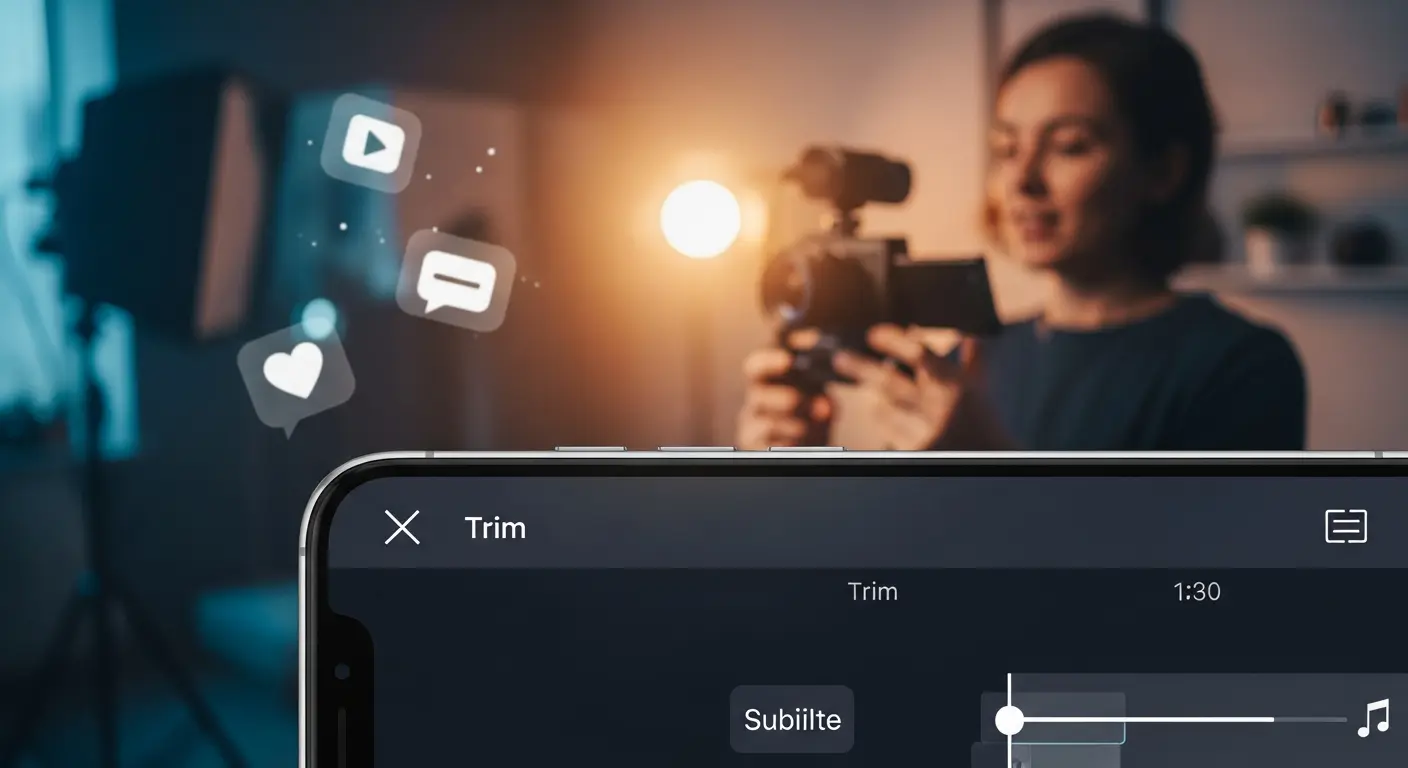
Zvideo is a video-sharing and streaming platform that lets users upload anything from quick 15-second clips to full-length videos running up to an hour. Unlike platforms that force you to choose between short-form and long-form, Zvideo houses both in a single feed. You sign up with an email or a linked social account, build a profile, and start uploading almost immediately. The built-in editor handles trimming, music layering, and subtitles, so you don’t need Premiere or Final Cut installed on your laptop. Live streaming is baked in too, with chat and real-time reactions. What stands out is discovery: the recommendation engine weighs your viewing habits rather than just pushing whatever’s trending, giving newer creators a fair shot at visibility. Automated moderation paired with human reviewers keeps the community reasonably clean throughout, and creators can enable comment filters or block disruptive users whenever needed, without waiting on slow support tickets.
Why Zvideo Matters for Creators and Viewers
Here’s the honest pitch: Zvideo matters because it solves a problem most platforms ignore. Small creators on YouTube or TikTok often watch their videos get buried under channels with millions of subscribers, regardless of quality. Zvideo’s algorithm weighs engagement and relevance over follower count, giving fresh accounts a real chance at reach. For viewers, that translates into a feed that feels less repetitive and more tailored, without scrolling past the same five viral creators every session. Businesses benefit too, since the platform supports training videos, product demos, and customer engagement without the ad clutter dominating older platforms. The result is a space where quality content has a genuine shot at finding its audience, not just accounts with the biggest existing following, which matters most in a channel’s early, discouraging months, when most creators are deciding whether to keep going at all.
Key Features That Set Zvideo Apart
Zvideo’s feature set is built around flexibility rather than forcing users into one content style. You can post a 15-second clip in the morning and a 45-minute tutorial that afternoon, both living in the same profile. The editor supports trimming, effect layering, music syncing, and automatic subtitling, making polished output achievable even for beginners with no editing background. Live streaming includes donations and real-time chat, so creators can monetize interactions as they happen. An analytics dashboard tracks watch time, retention, and audience location, giving creators data to refine future uploads. Cross-platform sharing lets you push content to Instagram or X without re-uploading from scratch, saving time for anyone managing multiple channels. High-definition upload support means quality never gets sacrificed for speed, whether posting from a phone or a professional camera rig, so switching between casual and polished content never means switching platforms.
How to Get Started on Zvideo
Getting started takes less time than you’d expect. First, sign up using an email address or a linked social media account, then customize your profile with a photo, bio, and content preferences so the algorithm has something to work with. If you plan to monetize, link your banking details during setup rather than scrambling later once you’ve built an audience. From there, upload pre-recorded footage or shoot directly through the in-app camera. New creators should spend their first week exploring the editing tools before publishing, since understanding trimming, subtitles, and music syncing upfront saves rework later. Once your first video goes live, it lands on the ForYou or Following feed depending on viewer settings, and the algorithm takes it from there. Enabling notifications early helps you catch comments quickly, signaling active engagement back to the system, and replying within the first hour tends to boost a video’s early reach noticeably.
Monetization Options on Zvideo
Money matters, and Zvideo doesn’t make creators wait years to see any of it. The platform offers ad revenue sharing, fan subscriptions, brand partnership tools, and direct tipping, giving creators multiple income streams instead of relying on one unpredictable source. Live streaming donations add another layer, letting audiences support creators in real time during broadcasts. Unlike platforms that gate monetization behind steep subscriber thresholds, Zvideo opens these tools earlier, which particularly benefits newer accounts still building an audience. Brand partnerships are facilitated directly through the platform, cutting out some back-and-forth that usually comes with sponsorship deals. For creators treating this as more than a hobby, having several revenue streams active from day one makes income far less dependent on any single algorithm shift. Transparency around payout timing also sets Zvideo apart from platforms where creators discover fees only after they’ve already hit key milestones, which builds more trust over time.
Common Mistakes to Avoid
The biggest mistake new users make is uploading without customizing their profile first, which leaves the recommendation algorithm with almost nothing to work from. Skipping the analytics dashboard is another common misstep; watch time and retention data tell you exactly where viewers drop off, and ignoring that feedback means repeating the same errors indefinitely. Some creators also neglect cross-platform sharing, missing an easy way to funnel existing followers from other networks into their Zvideo profile. Inconsistent posting schedules hurt visibility too, since the algorithm favors accounts with predictable upload patterns. Finally, many users delay setting up monetization until they’ve already built a following, which means leaving early income on the table during the exact period when engagement tends to be most active and enthusiastic. Ignoring live streaming is another overlooked opportunity, since real-time interaction builds loyalty faster than pre-recorded uploads alone.
Best Practices for Growing on Zvideo
Consistency beats perfection here. Creators who post on a predictable schedule tend to see steadier growth than those chasing viral moments sporadically. Use the analytics dashboard weekly, not just after a video underperforms, so you catch trends before they become problems. Hashtags genuinely help discoverability, but only when they’re specific to your content rather than generic trending tags unrelated to your niche. Engaging directly with comments and live chat builds the kind of loyal audience that keeps coming back, which matters more long-term than any single viral clip. Cross-posting to other platforms extends your reach without extra filming, so treat it as a standard part of your workflow rather than an afterthought. Mixing short and long-form content also keeps your profile appealing to different viewer preferences simultaneously. Reviewing top-performing uploads monthly, rather than obsessing over daily numbers, gives a clearer picture of what’s genuinely resonating.
How Zvideo Compares to Other Platforms
Compared to YouTube, Zvideo offers a lower barrier to entry for new creators, since discoverability doesn’t hinge so heavily on existing subscriber counts. Against TikTok and Instagram Reels, Zvideo’s willingness to host longer-form content gives creators room for depth that pure short-form platforms don’t allow. Vimeo remains stronger for polished professional portfolios, but Zvideo edges ahead on built-in monetization and live streaming, features Vimeo largely leaves to third-party tools. The tradeoff is scale: established platforms still command larger existing audiences, so creators moving to Zvideo are partly betting on its growth trajectory. For anyone frustrated with algorithm unpredictability elsewhere, though, Zvideo’s blended approach to content length and monetization makes it a genuinely competitive alternative worth testing alongside, rather than instead of, your existing channels. Running both simultaneously for a few months is usually enough to judge the shift.
Frequently Asked Questions
1.What is Zvideo?
Zvideo is a video-sharing and streaming platform that supports short clips, full-length uploads, and live streaming in one feed. It combines editing tools, monetization options, and an algorithm built to give newer creators a fair shot at visibility, rather than favoring only established accounts.
2. Is Zvideo free to use?
Yes, signing up and uploading content is free for both creators and viewers. Monetization features like ad revenue sharing, subscriptions, and tipping are optional and can be enabled once you’re ready to start earning from your content.
3. How do I sign up for Zvideo?
You can sign up using an email address or a linked social media account. After that, customize your profile with a photo, bio, and content preferences so the recommendation algorithm has something to work with right away.
4. Can I upload long videos on Zvideo?
Yes. Zvideo supports full-length videos running up to roughly an hour, alongside short 15-second clips. You don’t need to choose one format, since both live in the same profile and feed.
5. Does Zvideo support live streaming?
Live streaming is built directly into the platform, complete with real-time chat, viewer reactions, and donation support. Creators can broadcast without needing separate streaming software or a third-party account.
6. How does Zvideo help new creators get discovered?
The recommendation engine weighs viewing habits, tags, and content quality rather than prioritizing accounts with the largest existing following. That gives newer creators a genuine chance at visibility instead of getting buried under established channels.
7. What monetization options does Zvideo offer?
Creators can earn through ad revenue sharing, fan subscriptions, brand partnerships, and direct tipping. Live streaming donations add another income stream, and these tools open earlier than on many platforms that gate monetization behind subscriber thresholds.
8. Do I need editing software to use Zvideo?
No. The built-in editor handles trimming, effect layering, music syncing, and automatic subtitling, so you can produce polished videos directly in the app without needing Premiere, Final Cut, or similar external tools.
9. How is Zvideo different from YouTube or TikTok?
Zvideo blends short-form and long-form content in a single feed, unlike platforms that specialize in one or the other. Its algorithm also favors engagement over follower count, giving smaller creators more visibility than they’d typically get elsewhere.
10. Can I share Zvideo content on other platforms?
Yes. Cross-platform sharing lets you push your uploads to networks like Instagram or X without re-uploading from scratch, which helps you funnel existing followers toward your Zvideo profile.
11. Is Zvideo safe and private?
Zvideo uses automated AI moderation alongside human reviewers to catch inappropriate content, and creators can enable comment filters or block disruptive users directly. Privacy settings also let you control who sees your uploads.
12. Is Zvideo worth trying for a new creator?
If you’re frustrated with algorithm unpredictability elsewhere, Zvideo is worth testing alongside your existing channels. Running both for a few months is usually enough to judge whether its discovery and monetization approach fits your goals.
Conclusion
Zvideo brings together short clips, long-form uploads, and live streaming in one place, backed by monetization tools that don’t force creators to wait for a massive following first. It won’t replace YouTube or TikTok overnight, but it solves real frustrations around discoverability and income that both platforms still struggle with. If you’re a creator ready to diversify beyond one algorithm’s mercy, or a viewer tired of the same recycled content, setting up a profile costs nothing but a few minutes. Start by building out your profile, upload something authentic, enable monetization early, and let the analytics guide your next move from there. Small, consistent steps tend to matter more on Zvideo than any single viral upload, so give the process a few weeks before judging the results. That patience is usually what separates creators who stick with it from those who give up too soon on the process.