

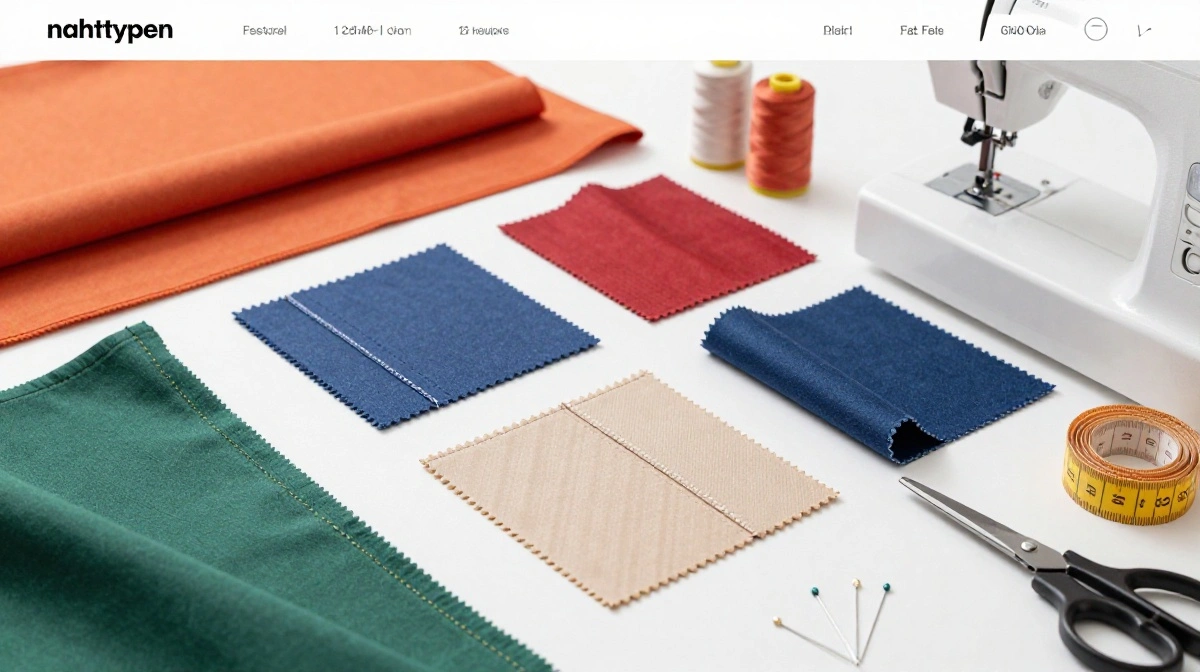
Nahttypen play a fundamental role in sewing, garment construction, upholstery, and industrial textile production. Whether you’re creating a simple T-shirt, designing a formal dress, or manufacturing technical fabrics, the type of seam you choose directly affects durability, appearance, comfort, and functionality. Many beginners focus heavily on fabric selection while overlooking seam construction, yet experienced professionals know that the right seam can significantly improve the quality and lifespan of a finished product. Understanding different nahttypen helps you make informed decisions for every project. By learning how various seam types function and where they work best, you can create stronger, cleaner, and more professional-looking results that meet both practical and aesthetic requirements.
What Are Nahttypen and Why Do They Matter?
The term nahttypen refers to different types of seams used to join two or more pieces of fabric together. Every seam serves a specific purpose depending on the fabric, garment style, and expected wear conditions. Some seams prioritize strength, while others focus on flexibility or visual appeal.
In everyday clothing, seam selection affects comfort and durability. For example, athletic garments often use flat seams to minimize friction against the skin. Heavy-duty workwear typically relies on reinforced seams capable of withstanding repeated stress. Decorative clothing may use visible seam designs to enhance visual appeal while maintaining structural integrity.
Choosing the wrong seam type can lead to fabric distortion, premature wear, and unattractive finishing. Professional tailors and manufacturers carefully evaluate fabric weight, stretch characteristics, and garment function before selecting a seam. Understanding these factors allows hobbyists and professionals alike to improve construction quality while reducing costly mistakes during production.
Common Nahttypen Used in Garment Construction
Several seam types dominate modern garment manufacturing because of their versatility and reliability. The plain seam remains the most widely used option across the apparel industry. It is simple to create and works well for a broad range of woven fabrics.
French seams are frequently selected for lightweight and delicate fabrics because they conceal raw edges inside the seam itself. This creates a clean interior finish often found in premium garments. Flat-felled seams are another popular choice, especially for denim products such as jeans. Their enclosed structure provides exceptional durability and a professional appearance.
Overlocked seams are common in knitwear and stretch garments. Specialized machines trim and secure fabric edges simultaneously, preventing fraying while maintaining flexibility. Bound seams use additional fabric or binding material to cover raw edges, creating an attractive and durable finish. Each seam type offers distinct benefits, making seam selection an essential part of successful garment construction.
The Role of Nahttypen in Fabric Performance
Fabric behavior greatly influences which nahttypen should be used in a project. Lightweight fabrics often require seam types that minimize bulk and prevent visible stitching lines. Heavier materials demand stronger seam structures capable of handling greater tension and stress.
Stretch fabrics present unique challenges because seams must expand and recover without breaking. Specialized seam techniques and elastic stitches help preserve fabric flexibility. In contrast, rigid woven materials benefit from seams that maintain structural stability and resist distortion over time.
Environmental factors also impact seam performance. Outdoor garments exposed to moisture may require sealed seams to improve water resistance. Industrial textiles often utilize reinforced seam constructions designed to withstand abrasion, pressure, and repeated washing cycles. By matching seam types to fabric characteristics, manufacturers can maximize product performance, longevity, and customer satisfaction while maintaining production efficiency and quality standards.
Choosing the Right Nahttypen for Different Projects
Selecting appropriate nahttypen begins with understanding the project’s purpose and performance requirements. Casual clothing generally prioritizes comfort and appearance, while technical garments demand durability and specialized functionality. Each project presents different construction challenges that influence seam selection.
For lightweight dresses and blouses, French seams provide a polished finish without adding unnecessary bulk. Denim garments frequently use flat-felled seams because they withstand heavy wear and repeated laundering. Stretch apparel benefits from overlocked or coverstitched seams that maintain flexibility during movement.
Home décor projects also require careful seam consideration. Cushion covers, curtains, and upholstery fabrics often experience significant stress and benefit from reinforced seam constructions. Industrial products such as tents, protective covers, and safety equipment typically rely on specialized seam techniques engineered for maximum strength. Evaluating fabric type, intended use, and maintenance requirements ensures that the selected seam delivers optimal performance throughout the product’s lifespan.
Advantages and Limitations of Popular Seam Types
Every seam type offers unique strengths and weaknesses. Understanding these characteristics helps sewists and manufacturers make better construction decisions. The plain seam remains highly versatile and easy to produce, making it ideal for many standard applications. However, it may require additional finishing to prevent edge fraying.
French seams deliver a clean interior appearance and protect fabric edges, but they are less suitable for thick materials due to added bulk. Flat-felled seams provide exceptional durability and professional aesthetics, though they require more time and precision during construction. Overlocked seams offer speed and flexibility, making them popular in mass production environments.
Bound seams create attractive finishes and excellent edge protection but increase material and labor costs. No single seam type is universally superior. The best choice depends on balancing factors such as strength, appearance, efficiency, comfort, and production requirements. Skilled professionals evaluate these trade-offs carefully before beginning any project.
Industrial Applications of Modern Nahttypen
Beyond fashion, nahttypen play a critical role across numerous industrial sectors. Automotive manufacturers use specialized seams in seat covers, airbags, and interior components where safety and durability are essential. Medical textiles require precision seam construction to maintain product integrity and meet strict regulatory standards.
Outdoor equipment manufacturers rely on advanced seam technologies for tents, backpacks, and protective clothing. Waterproof seam sealing techniques help prevent moisture penetration while preserving flexibility. Aerospace and military applications often utilize reinforced seam systems designed to withstand extreme environmental conditions and mechanical stress.
Industrial sewing operations frequently employ automated machinery capable of producing highly consistent seam quality at large production volumes. These technologies improve efficiency while reducing defects. As materials continue evolving, seam engineering becomes increasingly important in achieving performance targets. Modern industrial applications demonstrate how seam selection extends far beyond traditional garment construction and contributes significantly to product functionality and reliability.
Common Mistakes When Working With Nahttypen
Many sewing problems stem from incorrect seam selection rather than poor stitching technique. One frequent mistake involves using standard seams on fabrics that require specialized finishing methods. This can lead to fraying, distortion, or reduced durability after repeated use.
Another common issue occurs when seam allowances are not adjusted appropriately for fabric thickness. Excess bulk may create uncomfortable garments and unattractive silhouettes. Stretch fabrics often suffer when rigid seam constructions restrict movement or cause thread breakage during wear.
Ignoring fabric direction and grain alignment can also compromise seam performance. Poor alignment may result in twisting, puckering, or uneven tension throughout the finished product. In industrial settings, inadequate quality control can allow seam defects to affect large production batches. Careful planning, testing, and attention to fabric characteristics help avoid these mistakes and ensure professional results across a wide range of applications.
Future Trends in Seam Technology and Innovation
Advancements in textile engineering continue shaping the evolution of nahttypen. Manufacturers increasingly seek seam solutions that improve performance while reducing production costs and environmental impact. Automated sewing systems now incorporate sophisticated sensors that enhance accuracy and consistency during construction.
Bonded seams are gaining popularity in high-performance apparel because they reduce bulk and improve comfort. Instead of relying solely on stitching, specialized adhesives create strong fabric connections with streamlined aesthetics. Smart textiles also introduce new challenges and opportunities for seam design, particularly when integrating electronic components into garments.
Sustainability remains a major industry focus. Seam technologies that support recycling, reduce waste, and extend product lifespan are becoming increasingly valuable. Researchers continue exploring innovative materials and construction methods capable of meeting evolving consumer expectations. These developments suggest that seam engineering will remain a critical factor in future textile and apparel innovation.
Conclusion
Understanding nahttypen provides valuable insight into how fabrics are joined, strengthened, and finished across countless applications. Different seam types influence durability, comfort, appearance, and overall product performance.
From simple plain seams to advanced industrial constructions, each option serves a specific purpose based on fabric characteristics and project requirements. Successful seam selection depends on evaluating intended use, material properties, maintenance demands, and production goals.
As textile technologies continue advancing, seam innovation will play an increasingly important role in product development. By mastering the fundamentals of nahttypen, beginners and professionals alike can achieve stronger, cleaner, and more reliable results while improving the quality and longevity of their sewing and manufacturing projects.